
Why You Should Own Your Mistakes

Great leaders don’t hide their mistakes. They own them, learn from them and move forward. Taking responsibility shows humility, builds trust and puts growth above ego. Mistakes don’t break trust. Hiding them does.
How To Lead In Uncertainty

Uncertainty doesn’t test your plan. It tests your mindset. Great leaders stay steady, offer clarity, and create direction even when they don’t have all the answers. People remember how you made them feel when everything felt unclear.
Accountability Starts With You

True leadership begins with personal responsibility. When leaders own their actions, they build trust. When they deflect blame, trust erodes. Accountability is about owning mistakes, keeping promises and going first. It starts with you.
Delegation Isn’t Laziness. It’s Leadership.
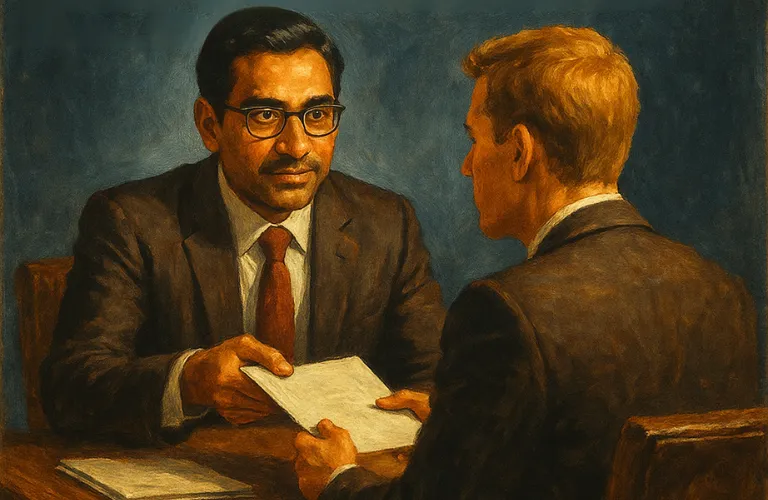
Delegation isn’t shirking work. It’s leadership in action. When you focus on what only you can do and empower others to take ownership, you build trust and develop people. Smart leaders don’t carry everything. They lift others up.
How To Beat Decision Fatigue

Decision fatigue drains focus and clarity, making every choice feel heavier. Smart leaders protect their energy by automating small tasks, delegating well, and eliminating distractions. When you reduce low-value decisions, you free your sharpest thinking for what matters most.
How To Make The Hard Calls
Great leadership is measured by the courage to make hard decisions. When you avoid tough calls, you hold your team back. Step up with clarity and empathy. Hard choices never get easier. You simply grow braver.
Why 80/20 Matters In Leadership

Great leaders don’t try to do everything. They use the 80/20 rule to focus on the few actions that create the biggest impact. When you prioritise what matters, your energy stops getting drained by the trivial many.
Habits That Transform A Leader

Great leadership is built on small, consistent actions. When leaders rely on systems, routines, and daily practices, they deepen focus, sharpen judgment, and accelerate growth. These simple habits shape not only how you lead but who you become.
Why You Should Schedule Thinking Time
Great leaders don’t rely on ideas that appear in the middle of a sprint. They make space to think. Scheduling thinking time helps you step back, see clearly, and lead with intention instead of noise.
Stillness Isn’t Laziness. It’s Leadership.
Stillness isn’t laziness. It is a powerful leadership practice that sharpens clarity, helps you see patterns, and enables intentional decisions. Great leaders know when to slow down, reflect, and recalibrate so they can lead with purpose.